The Birth of Smartphones
The journey of smartphones began in the early 1990s with advancements in mobile communication technology. The initial mobile phones were bulky, primarily designed for voice communication, with limited functionality. However, technological developments ushered in a new era that redefined handheld devices, ultimately leading to the birth of smartphones.
The first notable device often regarded as a precursor to the smartphone was IBM’s Simon Personal Communicator, launched in 1994. Simon featured a touchscreen interface, email capability, and built-in applications, such as a calendar and address book. This innovative device demonstrated the feasible integration of essential features into a portable format, setting the stage for future innovations.
By the late 1990s, mobile phones began to evolve substantially, reflecting users’ changing needs and expectations from communication devices. This period saw the introduction of operating systems tailored for mobile devices, notably the Nokia Series 60 and Microsoft’s Pocket PC, which allowed for more complex applications beyond simple voice calls.
Touchscreen technology emerged as a pivotal factor in the evolution of smartphones, providing a user-friendly interface that revolutionized user interaction. Early resistive touchscreens eventually gave way to capacitive touchscreens, significantly enhancing responsiveness and capabilities, thus bolstering the transition from basic mobile phones to fully functional smartphones.
Smartphone Technology: Key Features and Innovations
The convergence of telecommunication and computing technologies played a critical role in this transformation. By incorporating features such as internet connectivity, multimedia capabilities, and GPS navigation, smartphones began to serve as multi-functional devices, fundamentally changing how people communicate, access information, and interact with the world.
In summary, the transition from traditional mobile phones to smartphones was marked by various technological innovations and the rise of integrated systems. The developments during this period laid the groundwork for smartphones as we know them today, shaping communication as an integral part of modern life.
The evolution of smartphone technology has introduced several defining features and innovations that significantly enhance user experience and functionality. One of the most notable advancements is in camera technology. Modern smartphones often come equipped with multi-lens camera systems, enabling users to capture high-definition images with a range of photographic capabilities, such as portrait mode, night vision, and optical zoom. These improvements have transformed smartphones into essential tools for both amateur and professional photographers, making photography more accessible than ever.
Processing power is another critical feature that reflects the advancements in smartphone technology. The introduction of powerful processors in smartphones, such as Apple’s A-series chips and Qualcomm’s Snapdragon series, allows for smoother multitasking and enhanced performance. These improvements have enabled smartphones to run complex applications, games with advanced graphics, and even professional editing software, which significantly expands the device’s usability.
Operating systems like iOS and Android play a vital role in defining the smartphone experience. Each platform offers unique features and optimizations tailored to different user preferences. iOS is known for its seamless integration with Apple’s ecosystem and user-friendly interface, while Android provides a greater degree of customization and variety in device selection. This diversity allows users to choose smartphones that best suit their needs.
Connectivity options have also evolved, with modern smartphones supporting 5G technology, which offers faster data speeds and improved internet connectivity. This advancement allows users to stream high-quality content, participate in video calls without lag, and engage in other data-intensive activities with ease. The role of connectivity is crucial, as it shapes how we interact with our devices and stay connected to the world around us.
In conclusion, the features and innovations defining modern smartphones—from camera advancements and processing power to operating systems and connectivity—highlight the transformative nature of these devices. They not only enhance our daily lives but also shape the way we communicate, work, and engage with technology.
The Societal Impact of Smartphones
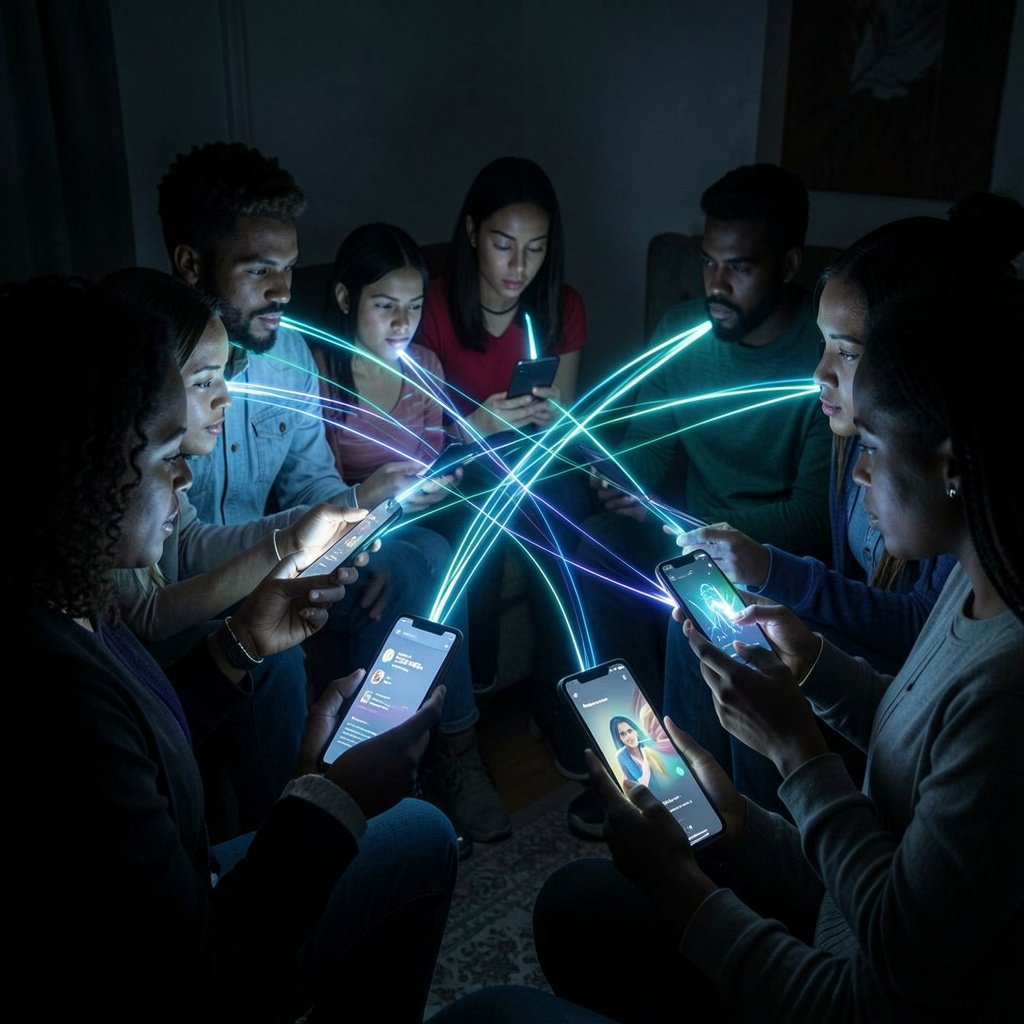
The advent of smartphones has markedly transformed the way individuals interact and communicate within society. By enabling instant connectivity, smartphones have revolutionized communication patterns by allowing for real-time conversations across vast distances. This shift has fostered closer relationships among peers and family members, as the ability to reach out instantly has diminished the barriers of traditional communication methods.
Moreover, smartphones have altered social interactions significantly. Platforms such as social media have emerged, allowing users to engage with a broader audience than ever before. These interactions can be enriching, fostering community and facilitating the sharing of knowledge and experiences. However, the increased reliance on digital means of communication has also sparked concerns regarding diminished face-to-face interactions. Many individuals find themselves engaging more with screens than with the people physically present around them, potentially leading to a weakened sense of community.
Access to information has undergone a profound transformation due to the capabilities smartphones offer. Users can access a vast array of data and knowledge with just a few taps of their finger, which has empowered individuals to make more informed decisions daily. However, this easy access to information does not come without its downsides. The proliferation of misinformation and the challenges of discerning credible sources pose significant concerns, often complicating public discourse and personal decision-making.
Additionally, the rapid evolution of smartphone technology has brought about social implications affecting mental health and well-being. The pressure to remain constantly connected can lead to increased anxiety and stress levels among users, as they are often compelled to stay updated with social currents and communications.
In conclusion, the societal impact of smartphones is multifaceted, encapsulating both improvements in connectivity and communication, as well as challenges that have arisen in the digital age. While smartphones continue to serve as pivotal tools in modern life, their influence prompts ongoing reflection on how they shape our interactions and access to information.

The Future of Smartphones
As we look toward the horizon of smartphone technology, several intriguing trends are beginning to take shape. Among these, foldable screens stand out as a significant innovation, redefining how we interact with our devices. The concept of a smartphone that can transform into a tablet size offers users increased flexibility and multitasking capabilities. Early iterations of foldable smartphones have sparked interest, and with advancements in materials and design, future models are expected to provide enhanced durability and usability.
In addition to hardware innovations, the integration of artificial intelligence (AI) into smartphones is set to revolutionize the user experience. AI-driven features such as personalized assistants, camera enhancements, and predictive text have already begun to reshape how users engage with their devices. As AI technology continues to develop, we can anticipate even more sophisticated applications, including improved battery management systems and intelligent user interfaces that adapt to individual behaviors over time.
Moreover, the rollout of 5G technology presents further opportunities for smartphone evolution. With significantly faster data speeds and reduced latency, 5G enables more seamless connectivity, transforming how we consume content and interact with the digital ecosystem around us. This enhanced connectivity will likely lead to advancements in cloud gaming, augmented reality, and virtual reality applications that integrate directly with smartphones. The potential for real-time data processing and ultra-reliable low-latency communication may significantly enhance the functionality of smartphones, making them even more integral to our daily lives.
Overall, the future of smartphones appears to be dynamic and filled with possibilities. As we continue to witness the convergence of innovative screen technologies, AI integration, and the impact of 5G, it is clear that the next generation of smartphones will not only enhance communication but also fundamentally change the way we interact with technology itself.